From idea to areal product.
You know the problem and the customer. We turn it into software people can sign up to and pay for, at a fixed price agreed before we start, with a live version you can click through as it grows.
Tell us what you want to buildWho this is for
- First-time founders without a technical cofounder, who need someone to own the engineering.
- Founders who have been quoted six figures and six months, and know a first version should not take that.
- Founders with a prototype, a Figma file or a spreadsheet that already proves people want it.
- Operators turning an internal tool into a product they can sell to others.
What you get
A first version that does one job well and is ready for real customers, not a demo you have to apologise for.
- A scoped first version
- We work out together the smallest version worth launching: what goes in now, what waits, and why. Cutting scope is the fastest way to customers.
- Accounts, payments and admin
- Sign-up, logins, roles, subscriptions or one-off payments, email, and an admin area so you can run it without calling us.
- AI where it earns its place
- Generation, search, summaries or agents, built with guardrails, only where it does the product's job better than plain software would.
- Web first, mobile when it matters
- A fast web app that works on every phone, and native mobile apps when your customers actually need one.
- Built to be found
- Landing pages, metadata and structured data set up for search from day one, so launch day has somewhere to send people.
- Ready for the next developer
- Clean code in your repository, documentation and tests, so investors, hires or another studio can pick it up.
Are you ready to build?
Tick what is true today. Fewer ticks is not a no; it changes what the first step should be.
0 of 5 ticked
Talk to customers first.
Software is the expensive way to test an idea. A week of conversations will save you a month of building. A call with us is free, and we will help you work out what to ask.
Ask us about yoursHow it runs
Discovery call
Free and without obligation. You explain the idea and the customer; we tell you honestly what we would build first, and whether we are the right people.
Fixed-price proposal
The scope of version one, the price and the timeline in writing. A deposit starts the build.
Build on a live link
You get a URL from the first week and watch it grow. Feedback goes in as we go, not at the end.
Test with real people
Put it in front of your first users before launch, and we refine it on what they actually do.
Launch and hand over
It goes live in your accounts with the code, documentation and credentials handed over. Support after that is optional.
Five ways to get it built.
Every option has a place. This is how they compare on the four things that decide whether a project goes well.
A traditional agency
- What it costs
- Hourly billing or a large retainer, often open-ended
- How fast
- Months of discovery, design and handoffs
- Who owns it
- Usually you, sometimes with licences attached
- When it breaks
- A ticket in someone else's queue
An offshore team
- What it costs
- A low hourly rate plus your time managing it
- How fast
- Depends on how precisely you can write the brief
- Who owns it
- Read the contract closely
- When it breaks
- Overnight, across time zones
Off-the-shelf software
- What it costs
- Cheap to start, then per seat for as long as you use it
- How fast
- Live today, if it fits
- Who owns it
- The vendor
- When it breaks
- The vendor's roadmap, not yours
Building it yourself with AI tools
- What it costs
- Cheap to start, expensive to fix later
- How fast
- Days to a demo
- Who owns it
- You, along with every risk in it
- When it breaks
- You, at 2am
Rootech
- What it costs
- A fixed price, agreed before we start
- How fast
- Most builds live in two to four weeks
- Who owns it
- You, outright
- When it breaks
- The engineer who built it
What every project comes with.
Written into every proposal, not just this page. We reply within one working day.
- A fixed price before you sign.
- Scope and price are agreed in writing up front. Small changes along the way are absorbed; anything bigger is flagged as a separate decision, never slipped onto an invoice.
- Bug fixes included after launch.
- If something we built does not work the way we agreed, we fix it at no cost. That is our problem, not a new job.
- You own all of it.
- The code, the domain, the hosting accounts and the data are in your name. Host it anywhere, hire anyone to work on it, pay nobody a licence fee.
- A proper handover.
- Code, documentation, credentials and a walkthrough for your team. Nothing lives only in our heads.
- No lock-in.
- Ongoing support is optional, month to month, and you can cancel any time. We would rather keep you because the software keeps getting better.
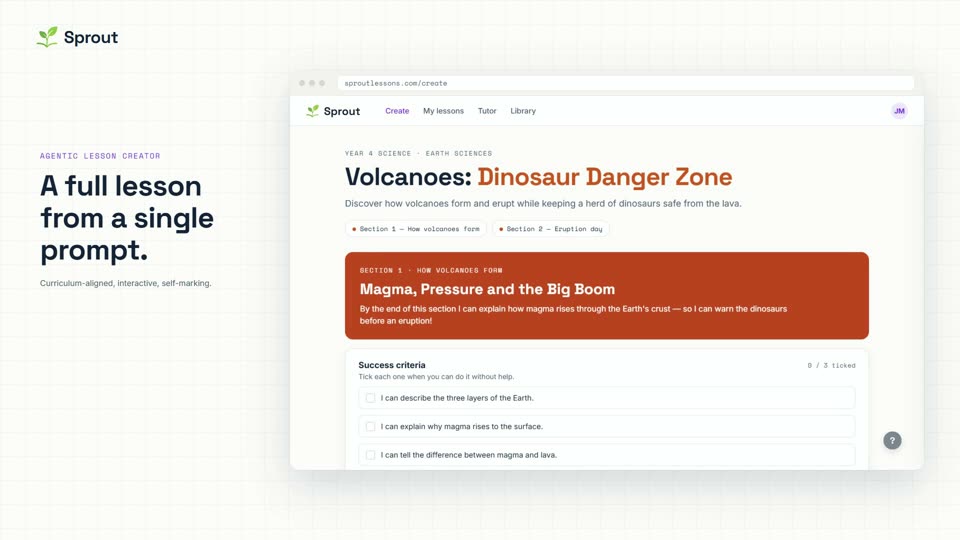
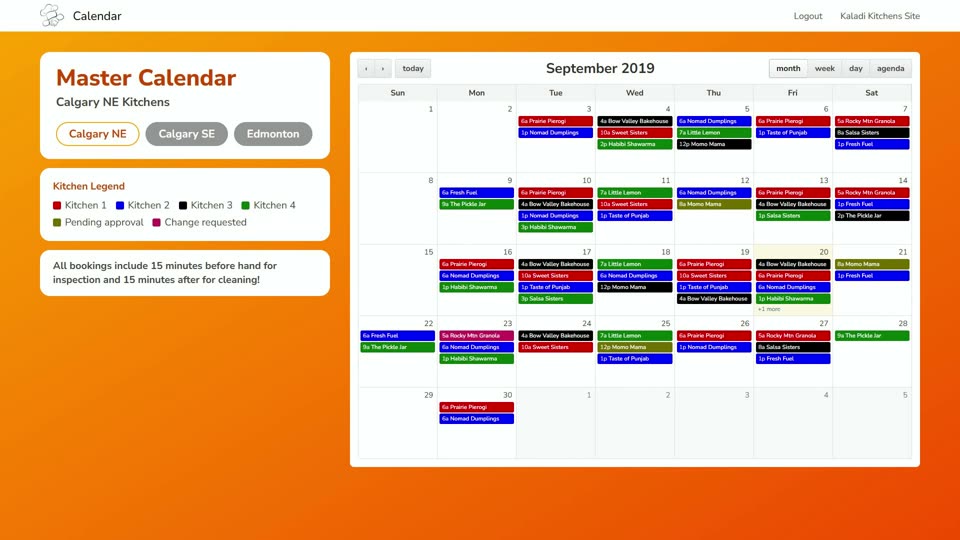
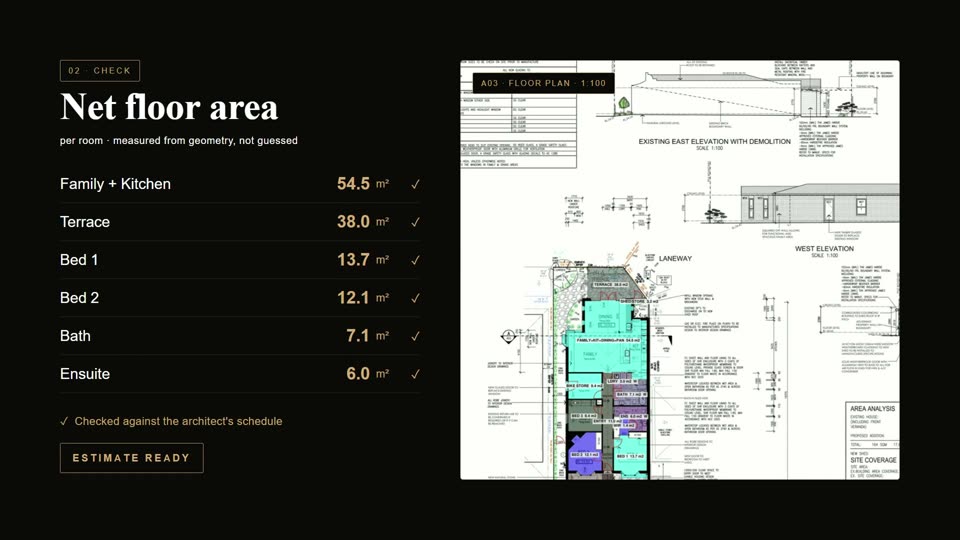
Software we have shipped.
Production systems with real users, payments and data. Each one opens the full brief.
Fair questions
Read more: Fixed-Price vs Hourly Software Development: What Costs Less? · No-Code or Custom Development? DIY vs Hiring an Agency
Do I need a technical cofounder?
Not to build a first version. You need someone who owns the engineering and tells you the truth about it, which is what we do. Many founders bring in technical leadership later, once there is a product and revenue to hire around.
How do I decide what goes in version one?
Start from the one job a customer would pay for and cut everything that does not serve it. We do this with you in the scoping session, and we will push back when a feature can wait.
What does it cost?
A fixed price, agreed in writing before any work starts, based on the scope of version one. Most builds are live in two to four weeks. Bigger platforms get a longer timeline, fixed up front. If a smaller version would get you to customers faster, we will say so.
Who owns the code and the intellectual property?
You do, outright. The code lives in your repository and the product runs in your accounts. There are no licence fees and nothing ties you to us.
What happens after launch?
Bug fixes on what we built are included. After that, ongoing improvements are an optional monthly retainer you can cancel any time, or you can take the code to your own team.
Can you build a mobile app as well?
Yes. Most products start as a web app that works well on phones, and add native iOS and Android apps once customers ask for them.
Tell us what you want to build.
A few lines is plenty. We read every one and reply with an honest view of what we would do, including when the answer is not us.