Your AI-builtapp, made solid.
You proved the idea with Lovable, Bolt, Replit, v0 or Cursor. Now real people log in and pay. We rebuild what sits underneath so it is secure, tested and ready to grow, and your users keep the screens they already know.
Tell us what you builtWho this is for
- You have paying users on a prototype and you hold your breath every time you change something.
- You are about to raise, and an investor is going to ask who has reviewed the code.
- Your team runs a real process on an app someone built over a weekend.
- You are an agency handing a prototype to a client, and it has to survive them.
What usually breaks
AI builders are brilliant at screens. What they skip is the part nobody sees until it fails. These are the problems we find most often.
- Permissions checked in the browser
- The app hides the admin button, but the server never checks who is asking. Anyone who opens the developer tools can read or change other people's data.
- Keys and secrets in the frontend
- API keys shipped to every visitor's browser, where they can be copied and billed to you.
- Database rules missing or wide open
- Row level security in Supabase, or its equivalent elsewhere, switched off or written to let everything through.
- No tests
- Every new prompt can quietly break something that worked yesterday, and nobody finds out until a customer does.
- No backups, no monitoring
- If the database is wiped or the site falls over at night, nobody is told and there is nothing to restore.
- A data model grown one prompt at a time
- Duplicate tables, fields that mean two things and records that no longer line up, which makes every new feature slower to add.
Does yours need it?
Tick what is true of your app. The verdict is the honest one we would give you on a call.
0 of 7 ticked
Keep prompting for now.
If nobody depends on it yet, a rebuild is money spent too early. Keep learning from users, and come back when it starts carrying real people or real money.
Ask us about yoursHow it runs
Prototype review
We read the code and the data, map every screen and flow, and give you a fixed price and timeline before you commit to anything.
Foundation plan
Data model, permissions, hosting, backups and deploys, written down. You approve it before we build.
Rebuild on a live link
We build on a URL you can click from the first week, using your real data, while the prototype keeps running for your users.
Move everyone across
Users, records, files and subscriptions come with you, so nobody registers twice. The domain and payments switch over in a planned window.
Launch and hand over
Monitoring, alerts, backups and a deploy pipeline go live. You get the code, the documentation and every credential.
Five ways to get it built.
Every option has a place. This is how they compare on the four things that decide whether a project goes well.
A traditional agency
- What it costs
- Hourly billing or a large retainer, often open-ended
- How fast
- Months of discovery, design and handoffs
- Who owns it
- Usually you, sometimes with licences attached
- When it breaks
- A ticket in someone else's queue
An offshore team
- What it costs
- A low hourly rate plus your time managing it
- How fast
- Depends on how precisely you can write the brief
- Who owns it
- Read the contract closely
- When it breaks
- Overnight, across time zones
Off-the-shelf software
- What it costs
- Cheap to start, then per seat for as long as you use it
- How fast
- Live today, if it fits
- Who owns it
- The vendor
- When it breaks
- The vendor's roadmap, not yours
Building it yourself with AI tools
- What it costs
- Cheap to start, expensive to fix later
- How fast
- Days to a demo
- Who owns it
- You, along with every risk in it
- When it breaks
- You, at 2am
Rootech
- What it costs
- A fixed price, agreed before we start
- How fast
- Most builds live in two to four weeks
- Who owns it
- You, outright
- When it breaks
- The engineer who built it
What every project comes with.
Written into every proposal, not just this page. We reply within one working day.
- A fixed price before you sign.
- Scope and price are agreed in writing up front. Small changes along the way are absorbed; anything bigger is flagged as a separate decision, never slipped onto an invoice.
- Bug fixes included after launch.
- If something we built does not work the way we agreed, we fix it at no cost. That is our problem, not a new job.
- You own all of it.
- The code, the domain, the hosting accounts and the data are in your name. Host it anywhere, hire anyone to work on it, pay nobody a licence fee.
- A proper handover.
- Code, documentation, credentials and a walkthrough for your team. Nothing lives only in our heads.
- No lock-in.
- Ongoing support is optional, month to month, and you can cancel any time. We would rather keep you because the software keeps getting better.
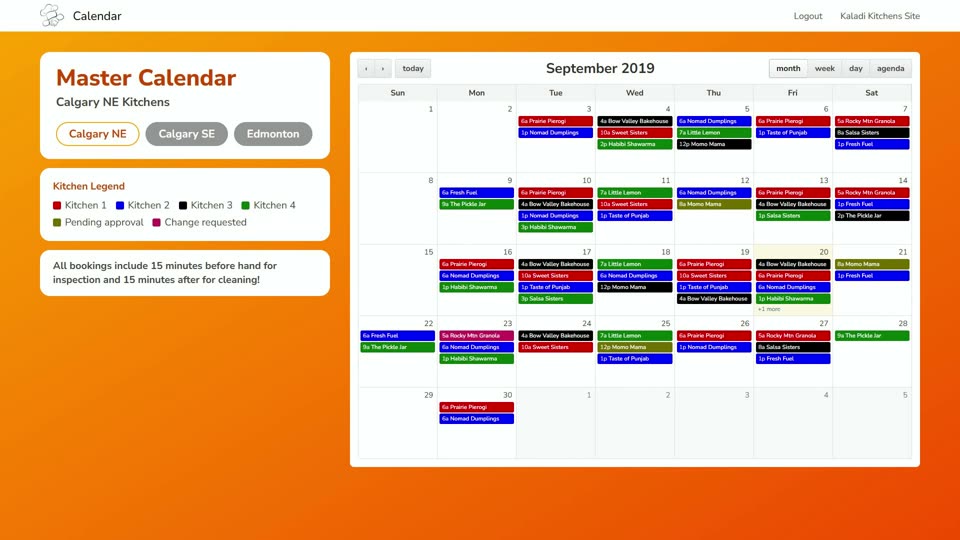
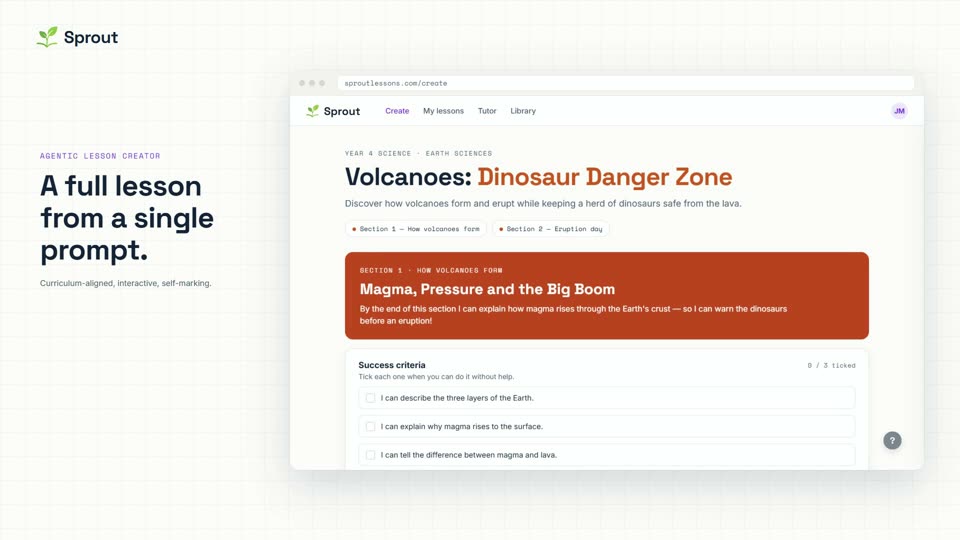
Software we have shipped.
Production systems with real users, payments and data. Each one opens the full brief.

Fair questions
Read more: No-Code or Custom Development? DIY vs Hiring an Agency · Fixed-Price vs Hourly Software Development: What Costs Less?
What counts as a vibe-coded app?
Anything built mostly by prompting an AI tool: Lovable, Bolt, Replit, v0, Cursor, Claude Code, Base44, or a Supabase backend wired up the same way. It does not matter which tool. What matters is whether anyone has checked what it generated.
Do you fix the existing code or rebuild it?
Whatever the code needs. If the foundation is sound we harden it and keep going. If the data model or permissions are the problem, patching them is usually slower and riskier than rebuilding underneath while keeping the screens. You get the reasoning in writing at the review.
Will it look and work the same for my users?
Yes, unless you want it changed. The screens and flows people already know are the spec. Most users only notice that it is faster and stops breaking.
What happens to my users and data?
They come across. Accounts, records, files and subscriptions are migrated, tested against a copy first, then moved in a planned switch-over. The prototype stays live until the new version takes over.
How long does it take and what does it cost?
Both are fixed at the prototype review, after we have read the code, because the honest answer depends on what is in it. Because your prototype already answers most design questions, it costs less than building from a blank page.
Can I keep using AI tools afterwards?
Yes. We set the project up so you can keep prompting safely: tests that catch breakage, a review step before anything reaches production, and a structure the tools understand.
Do I own the code?
Yes, outright. It lives in your repository and your hosting accounts. Deploy it anywhere and hire anyone to work on it.
Tell us what you built.
A few lines is plenty. We read every one and reply with an honest view of what we would do, including when the answer is not us.